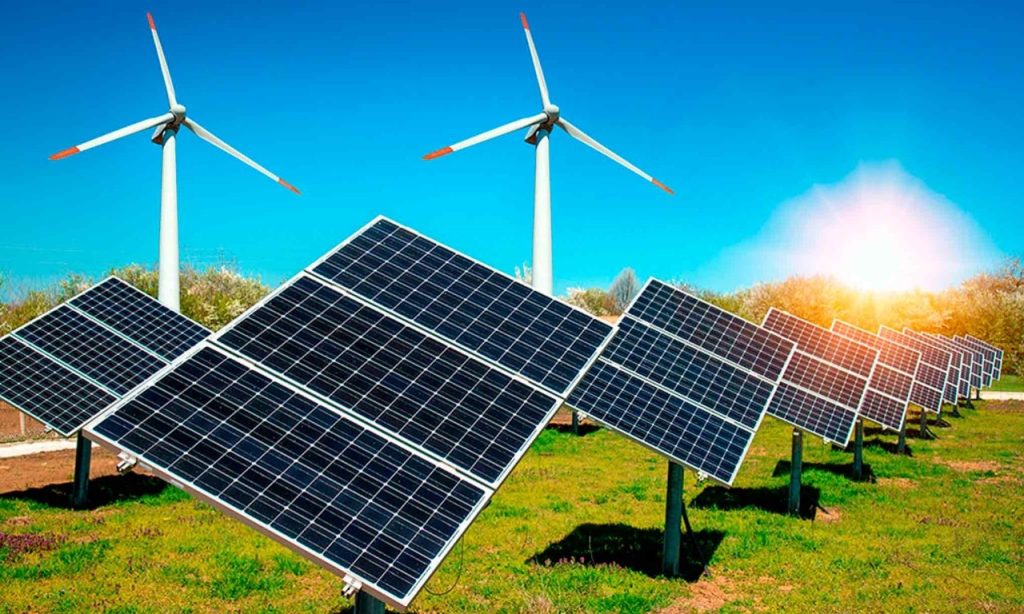
Ground Mount
A ground-mounted solar plant is basically a solar power system installed on land instead of a rooftop. It’s a great option if you have open space or agricultural land, and in many cases it performs even better than rooftop systems.
What is a ground-mounted solar plant?
Solar panels are installed on metal structures fixed into the ground rather than on a roof. These systems are commonly used for:
Large homes with land
Farmhouses
Commercial / industrial use
Solar farming (selling electricity)
Cost (India / Gujarat 2026)
Ground-mounted systems are usually 10–20% more expensive than rooftop due to structure & land work:
1 kW
₹75,000–₹1 lakh
5 kW
₹3–₹4 lakh
10 kW
₹6–₹8 lakh
1 MW plant
₹4–₹5 crore
Extra costs include
Civil foundation work
Land preparation
Fencing & security
Power generation
In a sunny region like Ahmedabad:
1 kW system generates ~4–5 units/day
1 kW yearly output → ~1,500 units
Ground systems often produce more than rooftop because:
Better panel angle
No shadow issues
Better airflow (cooler panels = higher efficiency)
Land requirement
Approximate land needed:
1 kW
80–100 sq. ft
10 kW
1,000 sq. ft.
1 MW plant
4–5 acres
Subsidy & policies
- Residential subsidy (PM Surya Ghar) → mainly for rooftop systems
- Ground-mounted usually does NOT get residential subsidy
- For large plants → you can sell power via:
- State DISCOM (like Gujarat Urja Vikas Nigam Limited)
- Open access / PPA model
Types of ground-mounted systems
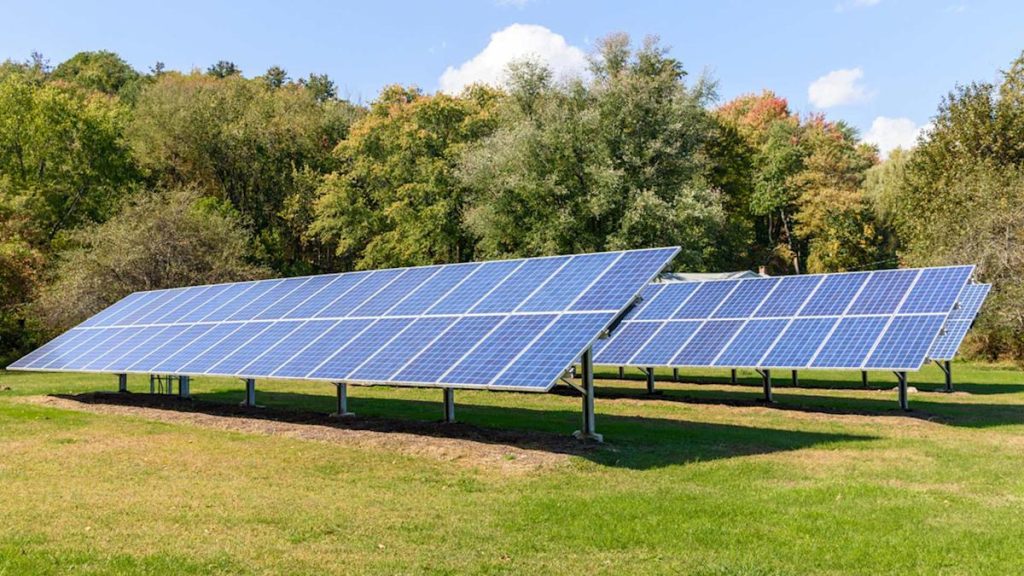
Fixed tilt system
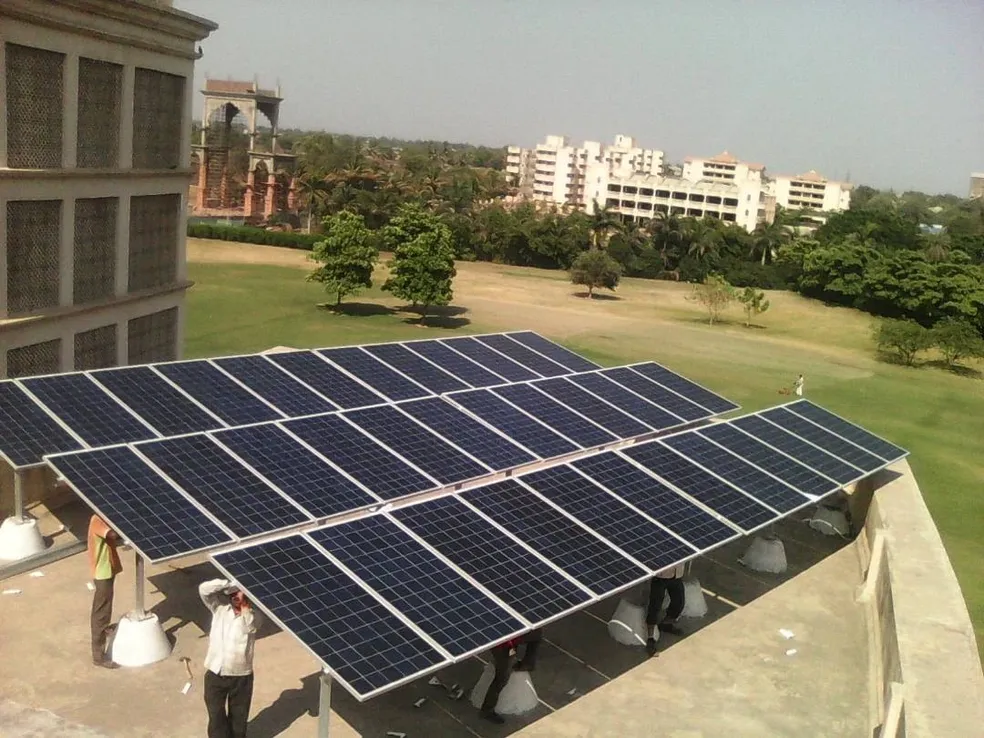
Seasonal tilt system
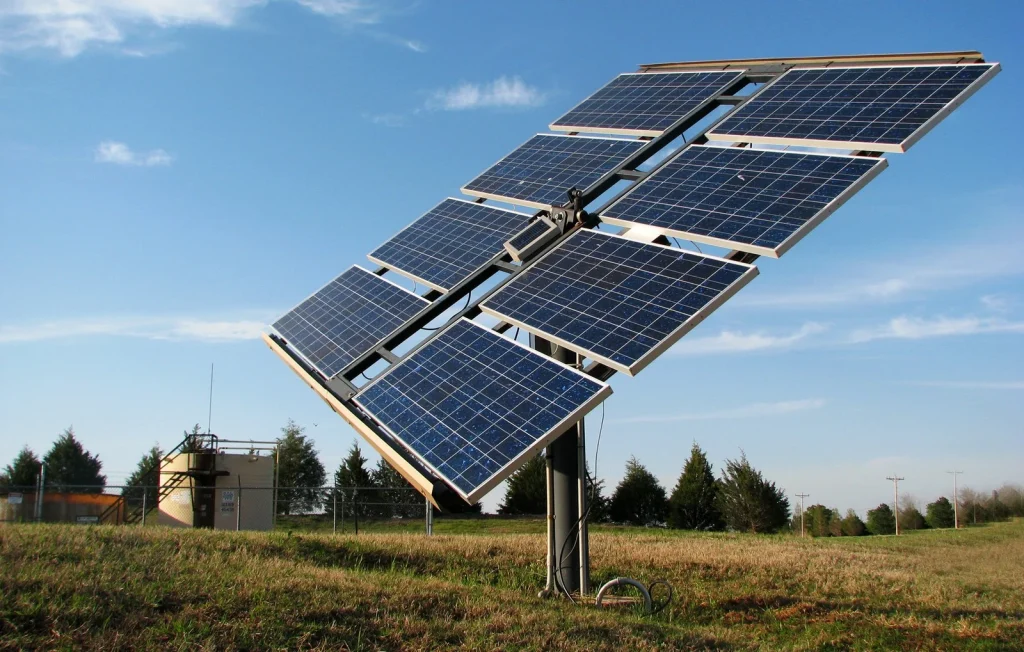
Solar tracking system
Advantages
- Higher efficiency than rooftop
- Easy maintenance & cleaning
- Expandable anytime
- Ideal for large-scale projects
Limitations
- Needs land
- Higher upfront cost
- No subsidy (in most residential cases)
- Requires approvals for large plants